Anyone who plans to buy medicines from a company and sell them on to chemists, hospitals or other businesses needs to be properly registered. Requirements are set by the state drug control authority and can differ from state to state, so treat the list below as a general checklist and confirm the details with your local office.
Core documents
- Drug licence: a wholesale licence if you supply to other businesses, or a retail licence if you sell to patients. Each is issued by the state drug authority.
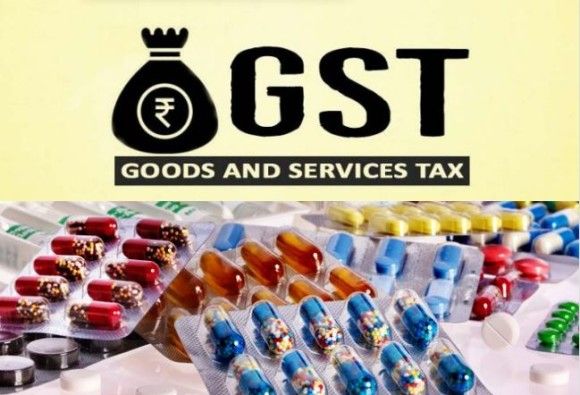
- GST registration: needed for invoicing and for buying from registered suppliers.
- PAN card: of the proprietor, partners or company.
- Identity and address proof: of the owner or authorised signatory.
- Premises proof: ownership papers or a rent agreement for the shop or warehouse.
People and facilities
Licensing authorities normally look for a suitable premises with proper storage for medicines, and a qualified person, such as a registered pharmacist or competent person, depending on the licence type. Some medicines need cold storage or other special conditions.
Business records you should keep
- Purchase invoices and batch details for every product
- Sales invoices with batch numbers and expiry dates
- Stock registers and expiry tracking
- Records for any scheduled or controlled medicines, as the rules require
Working with a supplier
A genuine supplier will ask to see your licence before supplying and will give you a proper GST invoice. Be careful with any company that does not ask. Eridanus Healthcare supplies licensed pharmacies, distributors and hospitals after verification, and new business partners can send an enquiry to discuss terms, including the Rs 15,000 minimum first order and dispatch within 24 hours of payment confirmation.